

Resilient Responders
First responder therapy in Orlando specializing in trauma, PTSD, and moral injury

Why first responders avoid therapy (and why it makes sense)
Avoiding therapy?
That actually makes sense.
You’re trained to handle chaos.
To solve problems.
To be the one people call when everything falls apart.
Of course it feels like you should be able to handle this too.
But this isn’t about strength.
It’s about not carrying everything alone.
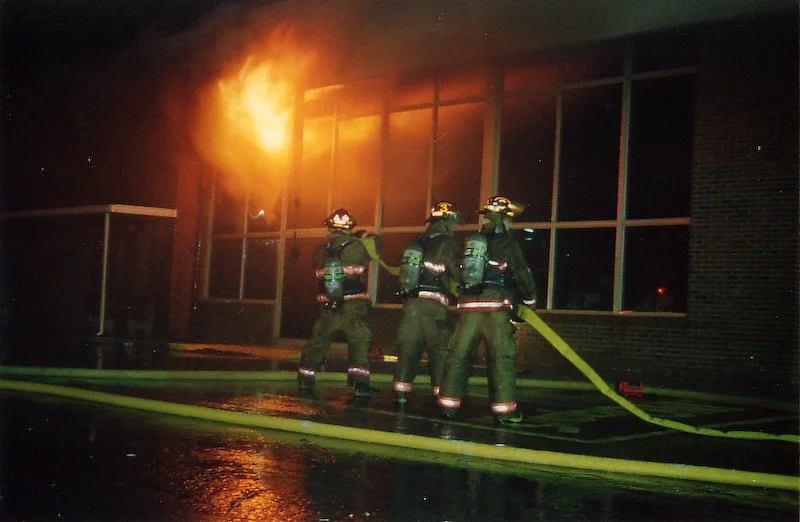
What first responders wish the public understood about the job
First responders are often seen as heroes, but behind the uniform are dedicated professionals navigating complex, challenging situations every day. The reality of emergency work is far from what’s shown on TV—routine calls are the norm, and even the most dramatic moments require calm, careful teamwork. What stays with them, long after the scene is cleared, are the human stories and the lasting emotional impact of serving those in need.
What actually happens in therapy for first responders?
Curious about what therapy looks like for first responders? This blog post walks you through the process from the first contact to the final session, demystifying how therapy unfolds for firefighters, paramedics, and law enforcement officers. It highlights the supportive, flexible nature of sessions, the importance of trust, and how therapy is tailored to your pace and needs. Whether you're considering therapy yourself or supporting a first responder, this post offers a clear, compassionate look at what to expect.
The role of dark humor in emergency services culture
Emergency service workers—like firefighters, paramedics, law enforcement, and 911 dispatchers—often use dark humor as a way to cope with the intense situations they face on the job. While this humor can help them get through tough moments and move on to the next call, it's not a healthy long-term solution for processing trauma.

Why Some Emergency Calls Stay With You for Years
Why are some calls harder to forget? Our brains are wired to save events in an effort to protect us from future harm.
What’s the difference between moral injury and PTSD?
Understanding the difference between PTSD and moral injury is important for anyone working in high-stress jobs. While PTSD develops after experiencing traumatic events and often brings fear, flashbacks, and physical stress, moral injury comes from actions that clash with personal values, leading to guilt, self-doubt, and burnout. This newsletter explores how both conditions impact well-being and why recognizing moral injury could help address burnout in fields like healthcare and emergency services.