

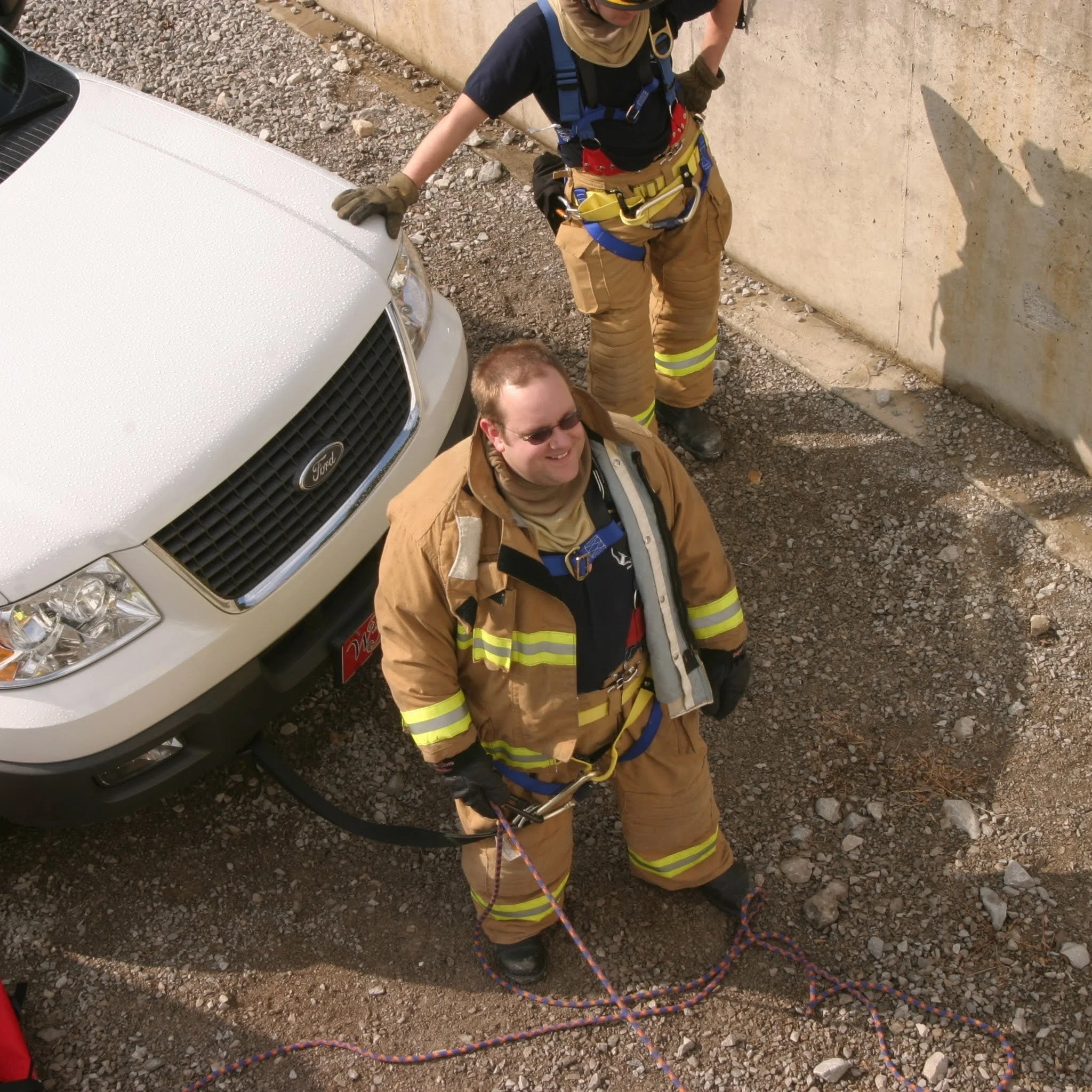
I understand the job. Not just clinically, but from lived experience.
First Responder Therapist in Orlando, FL
Therapy for firefighters, paramedics, EMTs, law enforcement officers, and dispatchers in Orlando and throughout Florida.
Firefighters • Paramedics • Law Enforcement • Dispatch
If you’re dealing with:
Feeling numb or disconnected
Guilt or second-guessing decisions
Burnout that keeps building
→ You don't have to wait until the job becomes unmanageable to talk about it.
Finding a therapist who understands first responder culture can be difficult. Before becoming a counselor, I spent more than 30 years in fire and EMS. You don't have to spend the first several sessions explaining the job, the culture, or why certain calls stay with you
For a lot of first responders, reaching out isn't the first instinct. The culture teaches you to handle things, keep moving, and be ready for the next call. Therapy can feel like the opposite of that.
“I should be able to handle this.”
You've dealt with difficult things before. You may still be doing your job, taking care of your family, and showing up like you always have. That can make it hard to decide when something is “bad enough” to talk about.
“I don't want this getting back to the department.”
Confidentiality matters, especially in a profession where you may worry about how asking for help could affect the way you're seen at work. I’m in independent private practice. I don't report to the Chief.
“I don't want to explain the job to a therapist.”
You shouldn't have to spend half the session explaining shift work, station culture, dark humor, why everyone went back in service after a terrible call, or why the call everyone thinks should bother you isn't the one that does.
“Talking about it isn't going to change what happened.”
No, it won't. Therapy isn't about pretending the call didn't happen or forcing you to “open up.” It's about helping what happened take up less space in your life.
You don't have to be in crisis to have a reason to talk to someone.
Do first responders go to therapy?
Yes. Many first responders seek therapy to manage stress, trauma, burnout, and moral injury. Working with a therapist who understands emergency services can make the process more effective and comfortable.
Is therapy confidential for first responders?
Yes. Therapy is completely confidential. I am not part of any first responder organization. I don’t report to the Chief. Nothing gets reported to your department.
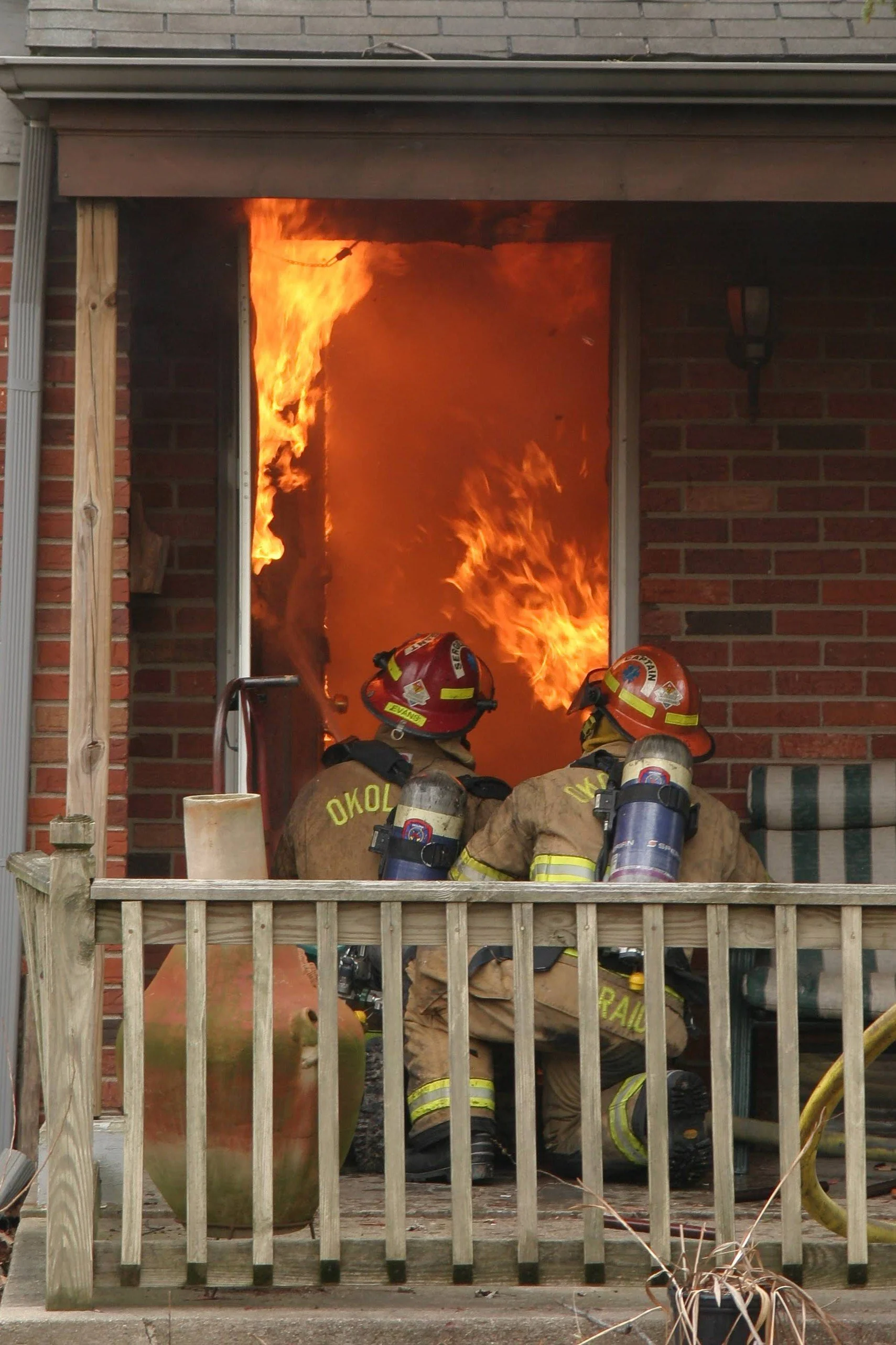
You Carry a Lot That Most People Never See
Firefighters, paramedics, law enforcement officers, and other emergency professionals regularly encounter situations that most people never experience. Over time, repeated exposure to trauma, suffering, and high-stakes decisions can begin to take a toll.
Many first responders learn to push through these experiences without stopping to process them. The culture of emergency services often values resilience, dark humor, and getting back to the next call. While those qualities help people function in difficult moments, they can also make it harder to notice when the weight of the job begins to build over time.
Therapy can offer a space to slow down, reflect, and make sense of experiences that may have been carried quietly for years.
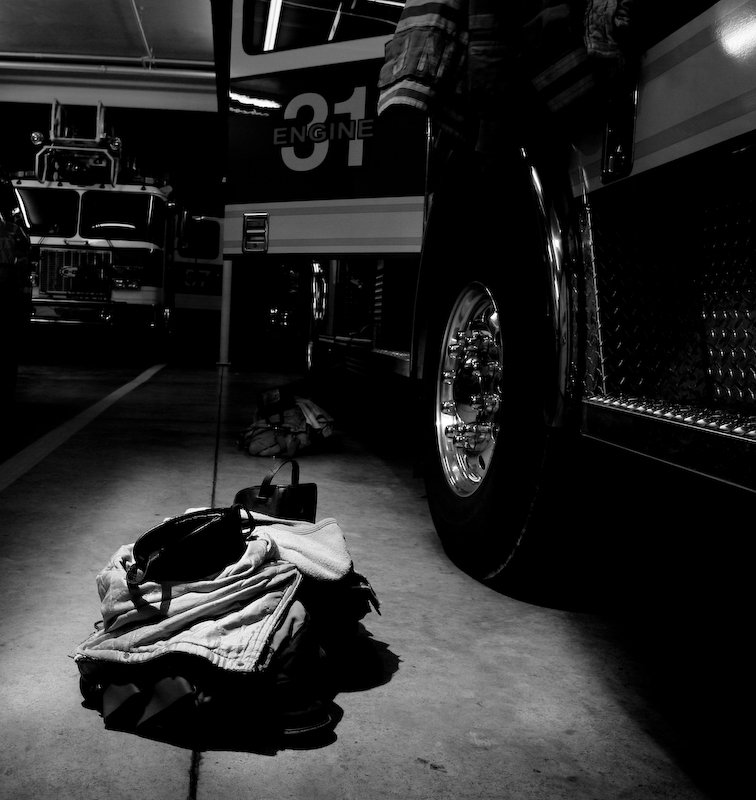
A First Responder Therapist Who Understands the Job
Before becoming a mental health counselor, I spent more than 30 years working as a firefighter-paramedic. During that time I responded to thousands of calls and witnessed the extraordinary strength and dedication of first responders.
I also saw how the repeated exposure to trauma, loss, and moral dilemmas can affect even the most capable professionals.
Working with a therapist who understands the culture of emergency services can make it easier to begin these conversations. You do not need to explain what a shift feels like, what happens after a difficult call, or the unique pressures of the job.
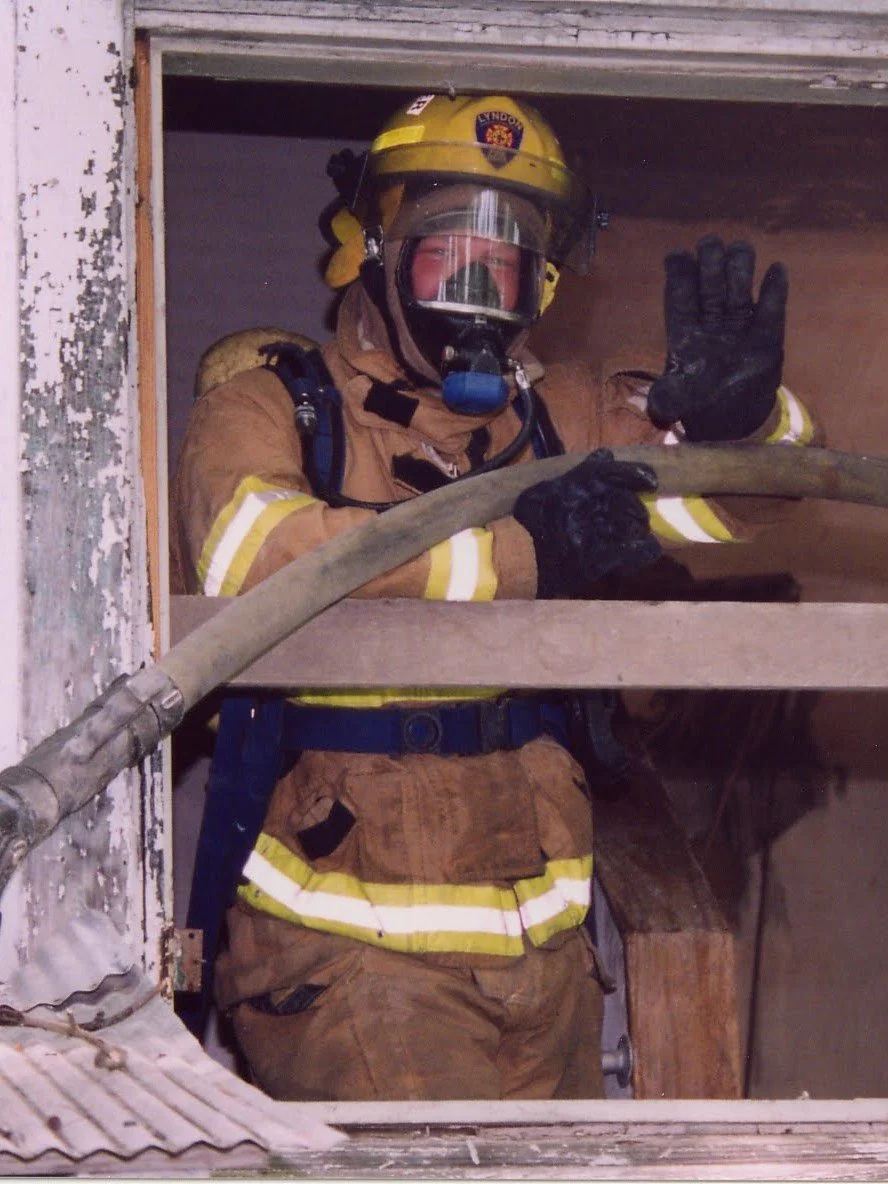
Common Reasons First Responders Seek Therapy
First responders often reach out for support when they begin experiencing:
Burnout and emotional exhaustion
Intrusive memories from difficult calls
Anxiety, irritability, or difficulty relaxing
Sleep problems or hypervigilance
Disconnection from family or friends
Moral injury or distress related to decisions made on calls
A sense of numbness or loss of meaning in the work
These reactions are not signs of weakness. They are common responses to prolonged exposure to high-stress environments.
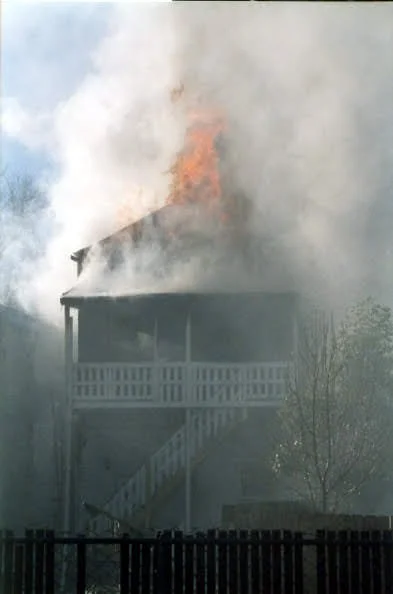
Some calls aren't frightening—they leave you questioning what happened, what you did, or what you were unable to do. This can sometimes be understood as moral injury.
My Approach to Therapy
My approach to counseling is collaborative and practical. Together we explore the experiences that brought you to therapy and develop ways to respond to stress more effectively.
I draw from several therapeutic approaches, including:
Acceptance and Commitment Therapy (ACT)
Gestalt therapy
DBT-informed skills
Meaning-centered and existential approaches
Our work may involve developing practical strategies for managing stress, processing difficult experiences from the past, and reconnecting with the values that guide your life and career.
Therapy for First Responders in Orlando and Across Florida
Confidential
No pressure
You don’t have to figure this out alone
I provide therapy for first responders in Orlando, Winter Park, Kissimmee, Clermont, and throughout Florida via secure telehealth.
Many first responders prefer telehealth because it allows them to attend sessions from home or between shifts without commuting to an office.