
Moral Injury Therapy for First Responders in Orlando, FL
Helping firefighters, paramedics, and other emergency professionals process experiences that challenge deeply held values. I offer moral injury counseling in Orlando and virtually throughout Florida.
What is Moral Injury?
Moral injury occurs when you experience or witness events that violate your core values—often leading to guilt, shame, or questioning your actions. For first responders, this can develop after calls involving preventable harm, difficult decisions, or situations where there was no “right” outcome.
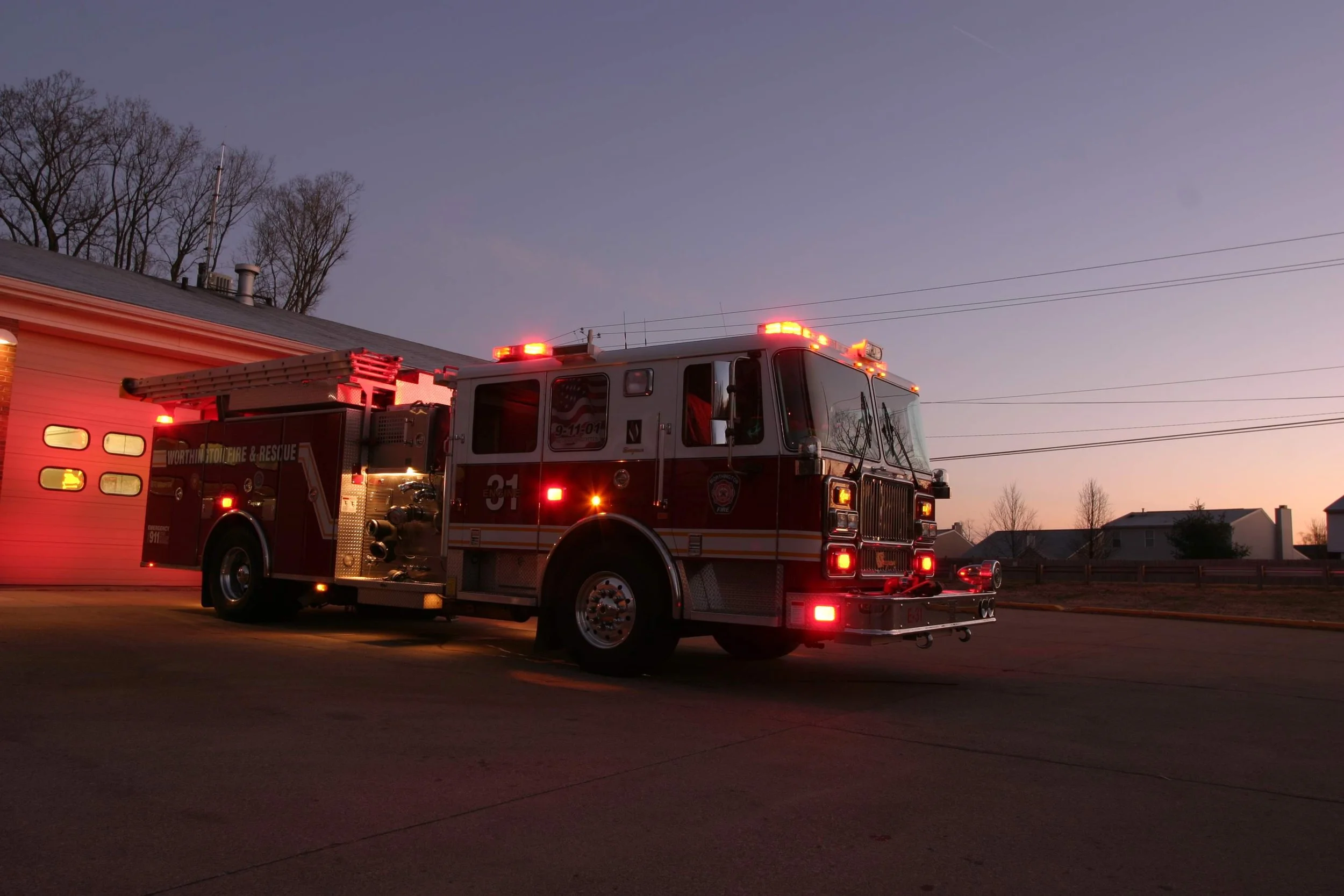
Calls where you couldn’t save someone
Situations where you had to make impossible choices
Feeling like you didn’t do enough—even when you did everything you could
Carrying guilt long after the call is over
Questioning your role, your decisions, or the system
In person in Orlando
〰️
online across Florida
〰️
In person in Orlando 〰️ online across Florida 〰️
Moral Injury in Emergency Services
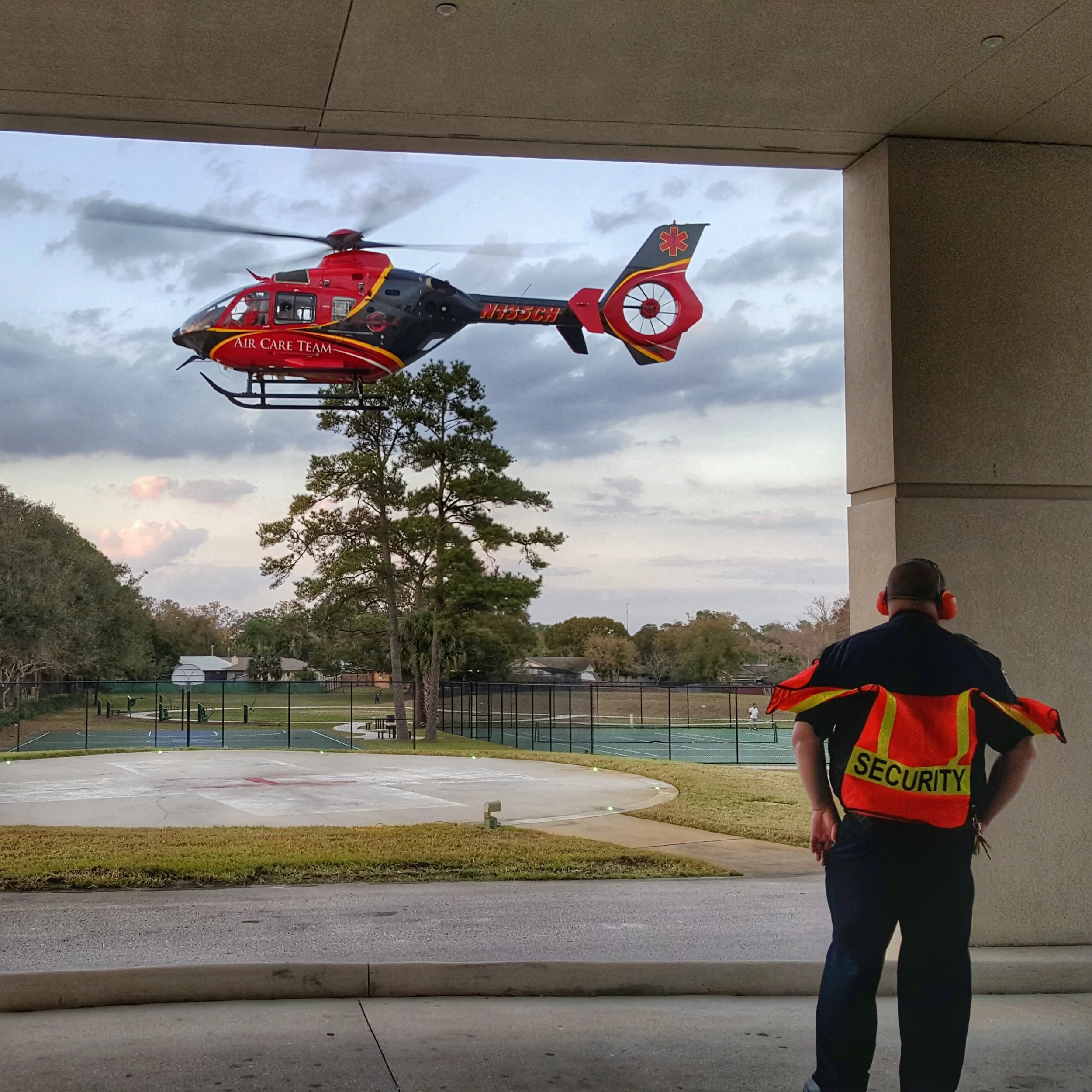
Moral injury often arises in situations where the outcome of a call conflicts with a person’s sense of responsibility or deeply held values. In emergency services, these experiences can take many forms.
Sometimes it involves arriving too late to change the outcome of a situation. In other cases, it may involve working with limited resources, making difficult decisions under pressure, or witnessing suffering that could not be prevented.
For some first responders, moral injury develops around moments where they question whether they could have done more. For others, it may stem from situations where circumstances, policies, or system limitations prevented the kind of care they hoped to provide.
These experiences do not always appear dramatic from the outside. Often, they are the quiet moments that linger—calls that return to mind unexpectedly or situations that continue to raise difficult questions long after the shift has ended.
Talking about these experiences in a thoughtful and supportive environment can help people make sense of what happened and how those moments continue to affect them.
If you’re thinking, “I Should Be Able to Handle This”
Many first responders delay reaching out because:
“Other people have it worse”
“I signed up for this”
“Talking about it won’t change anything”
But moral injury isn’t about weakness—it’s about being human in situations that don’t have clean answers.
A Counselor Who Understands the Work
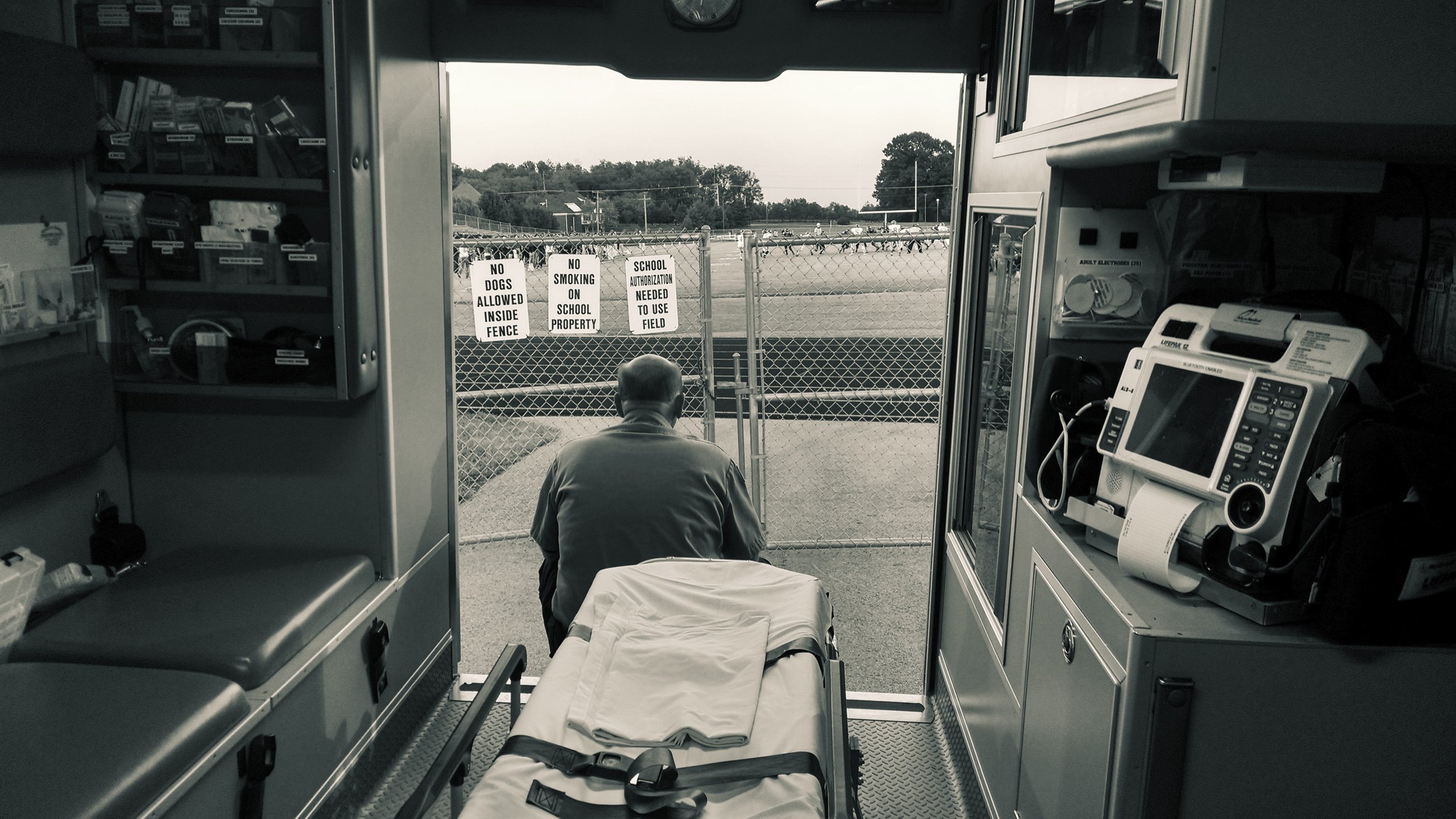
Before becoming a counselor, I spent more than thirty years working as a firefighter-paramedic. During that time I witnessed both the strength and dedication of first responders and the quiet toll that repeated exposure to difficult situations can take.
Because of this background, many clients appreciate that they do not need to explain the culture of emergency work or the realities of responding to challenging calls. Our conversations can begin with the experiences themselves rather than the need to translate the environment they come from.
My approach to therapy draws from Acceptance and Commitment Therapy (ACT), Gestalt therapy, and other approaches that support thoughtful reflection and meaningful change.
Getting started
If you would like to learn more about working together, I invite you to reach out for a brief consultation. This conversation offers an opportunity to ask questions, discuss what you are hoping to work on, and decide whether therapy feels like a good fit.

Moral injury and post-traumatic stress can sometimes overlap, but they are not the same experience.
Post-traumatic stress is often associated with fear-based responses to life-threatening events. People may experience symptoms such as hypervigilance, intrusive memories, or strong physiological reactions to reminders of the event.
Moral injury, by contrast, often centers on questions of meaning, responsibility, and values. The distress may show up as feelings of guilt, anger, shame, or a sense that something important about the work—or about oneself—has changed.
For first responders, these experiences may lead to questions such as:
Did I do the right thing?
Could something different have been done?
What does this say about the work we do?
Therapy for moral injury often focuses less on reducing fear and more on helping people reflect on these experiences, reconnect with their values, and develop a way of carrying the memories without allowing them to define who they are.
When to consider therapy
People reach out for support around moral injury for many different reasons. Some notice that certain calls remain difficult to think about even years later. Others feel a growing sense of frustration, disconnection, or loss of meaning in the work they once found fulfilling.
Therapy can be helpful whenever you find yourself wanting a place to reflect on these experiences and understand how they have shaped you.
You do not need to have everything figured out before reaching out.
Moral Injury FAQ
Is moral injury the same as PTSD?
No. PTSD is typically fear-based, while moral injury involves guilt, shame, or conflict with your values.
Can first responders recover from moral injury?
Yes. With the right support, many people are able to process these experiences and reconnect with their sense of meaning and identity.
Do I have to talk about everything right away?
No. Therapy moves at your pace, and you decide what to share and when.
Work with a Moral Injury Therapist in Orlando
First responder-informed
Confidential
No pressure