

Resilient Responders
First responder therapy in Orlando specializing in trauma, PTSD, and moral injury
The Cost of Always Being “On” - Part 2 Hypervigilance
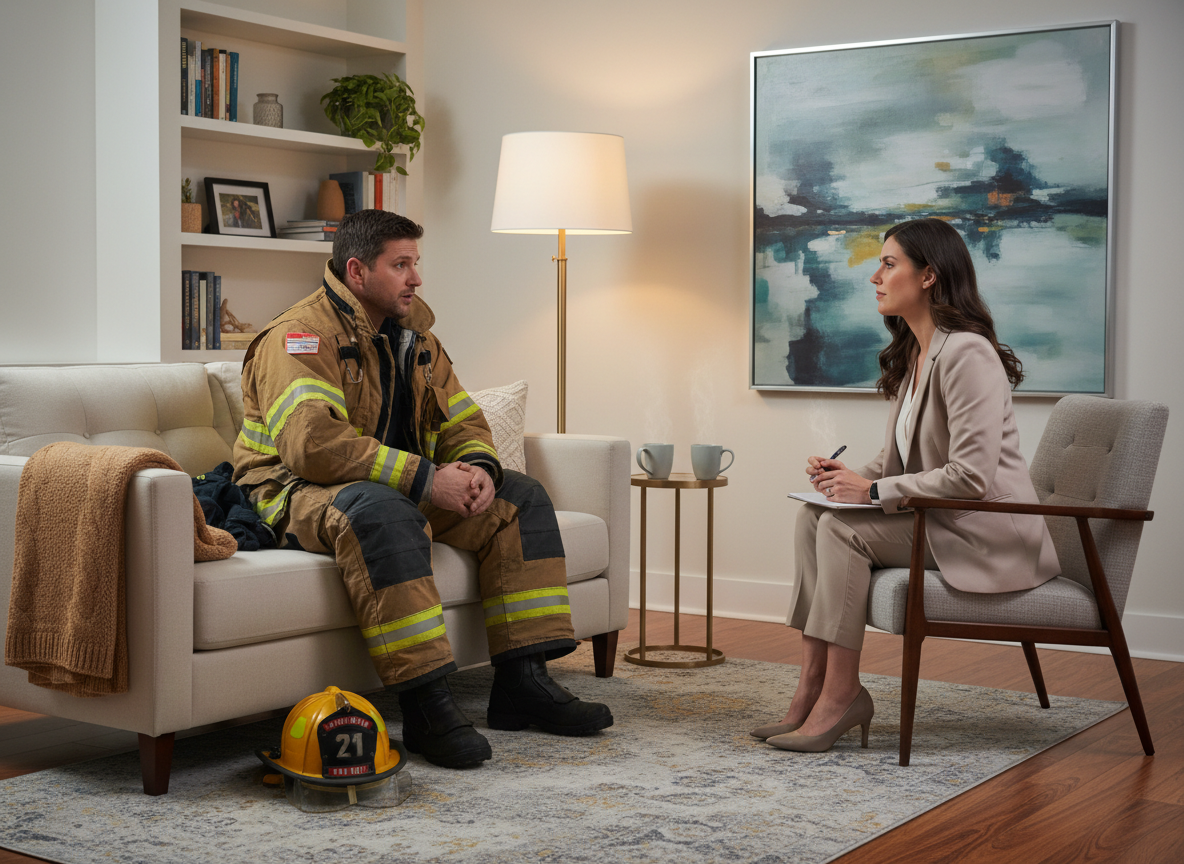
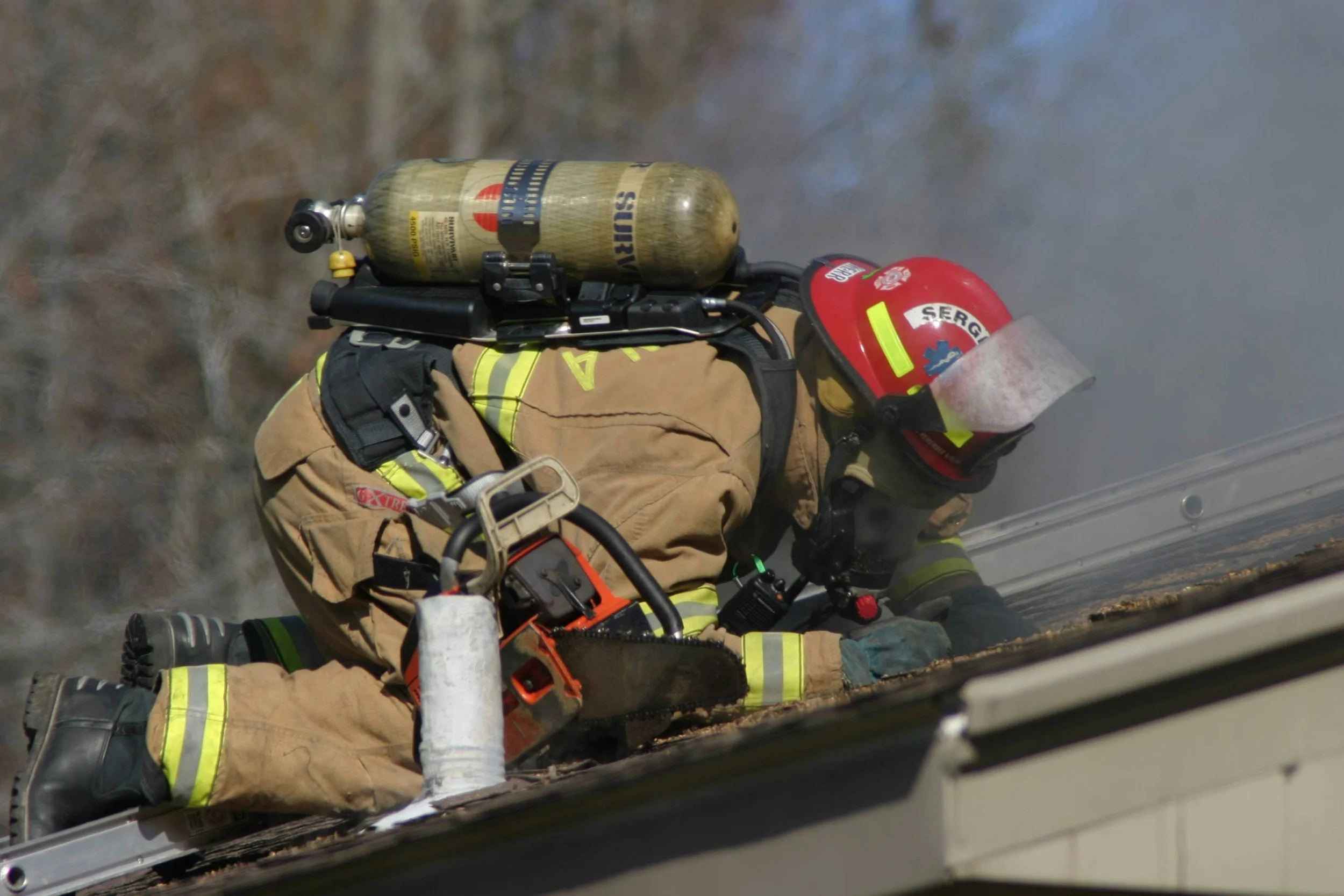
Hypervigilance is the state of always being ready to respond. For first responders — firefighters, paramedics, law enforcement — it's not a disorder. It's a job requirement. On shift, being "on" keeps you and others alive. But when the shift ends and that switch won't turn off, the cost starts to add up.

The Cost of Always Being “On.” Part 1 - Sleep Deprivation
First responders are uniquely vulnerable to chronic sleep deprivation. Years of conditioning — waking abruptly to station alarms — train the body to stay perpetually alert, making deep, restorative sleep difficult to achieve both on and off the job. This hypervigilance, driven by the sympathetic nervous system's fight-or-flight response, doesn't simply switch off at retirement.
What first responders wish the public understood about the job
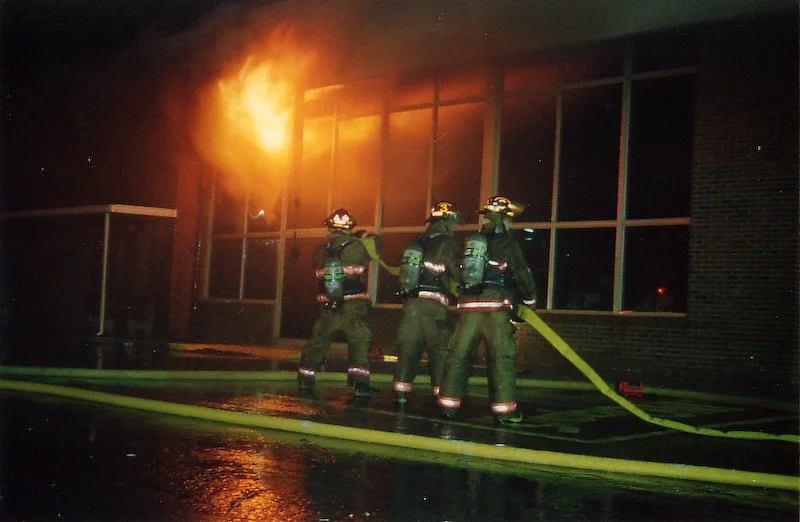
First responders are often seen as heroes, but behind the uniform are dedicated professionals navigating complex, challenging situations every day. The reality of emergency work is far from what’s shown on TV—routine calls are the norm, and even the most dramatic moments require calm, careful teamwork. What stays with them, long after the scene is cleared, are the human stories and the lasting emotional impact of serving those in need.
What actually happens in therapy for first responders?
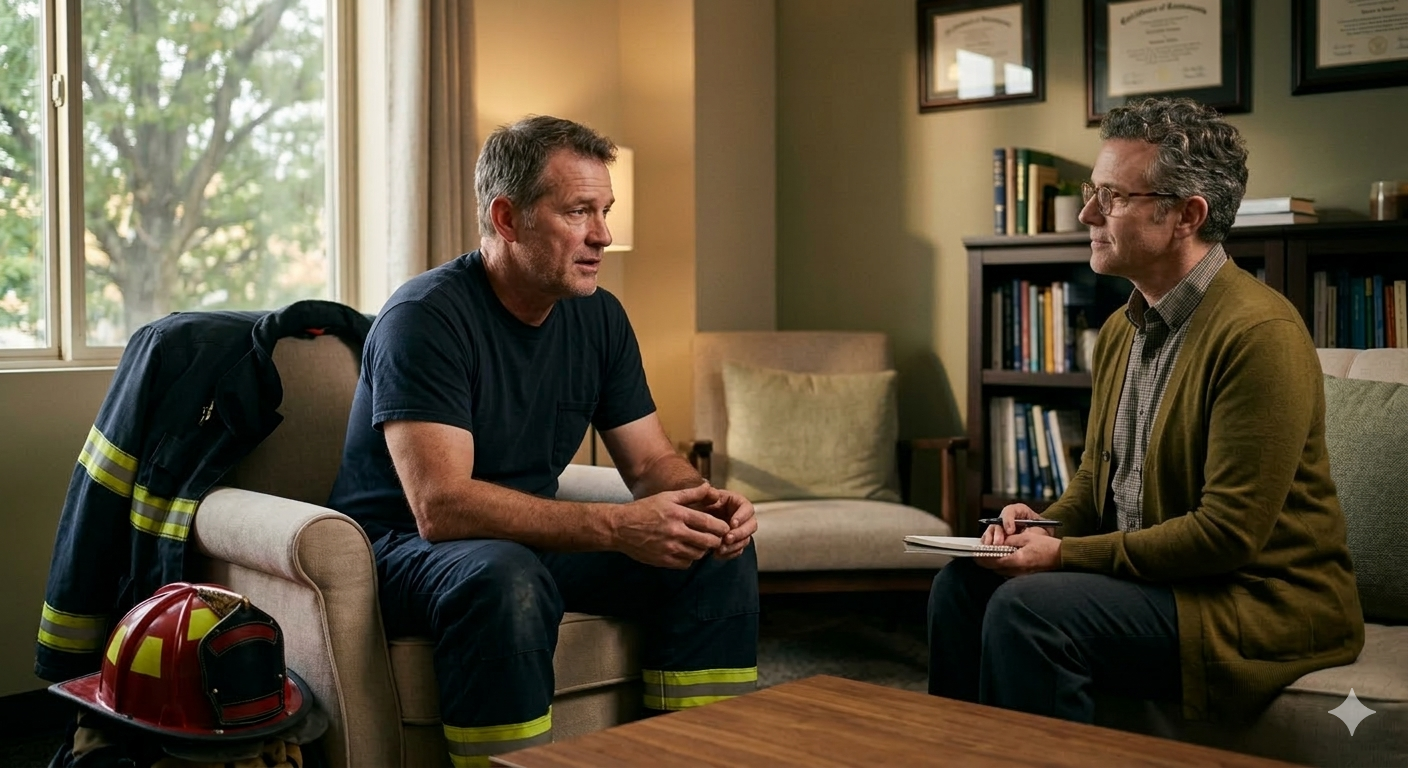
Curious about what therapy looks like for first responders? This blog post walks you through the process from the first contact to the final session, demystifying how therapy unfolds for firefighters, paramedics, and law enforcement officers. It highlights the supportive, flexible nature of sessions, the importance of trust, and how therapy is tailored to your pace and needs. Whether you're considering therapy yourself or supporting a first responder, this post offers a clear, compassionate look at what to expect.
The role of dark humor in emergency services culture
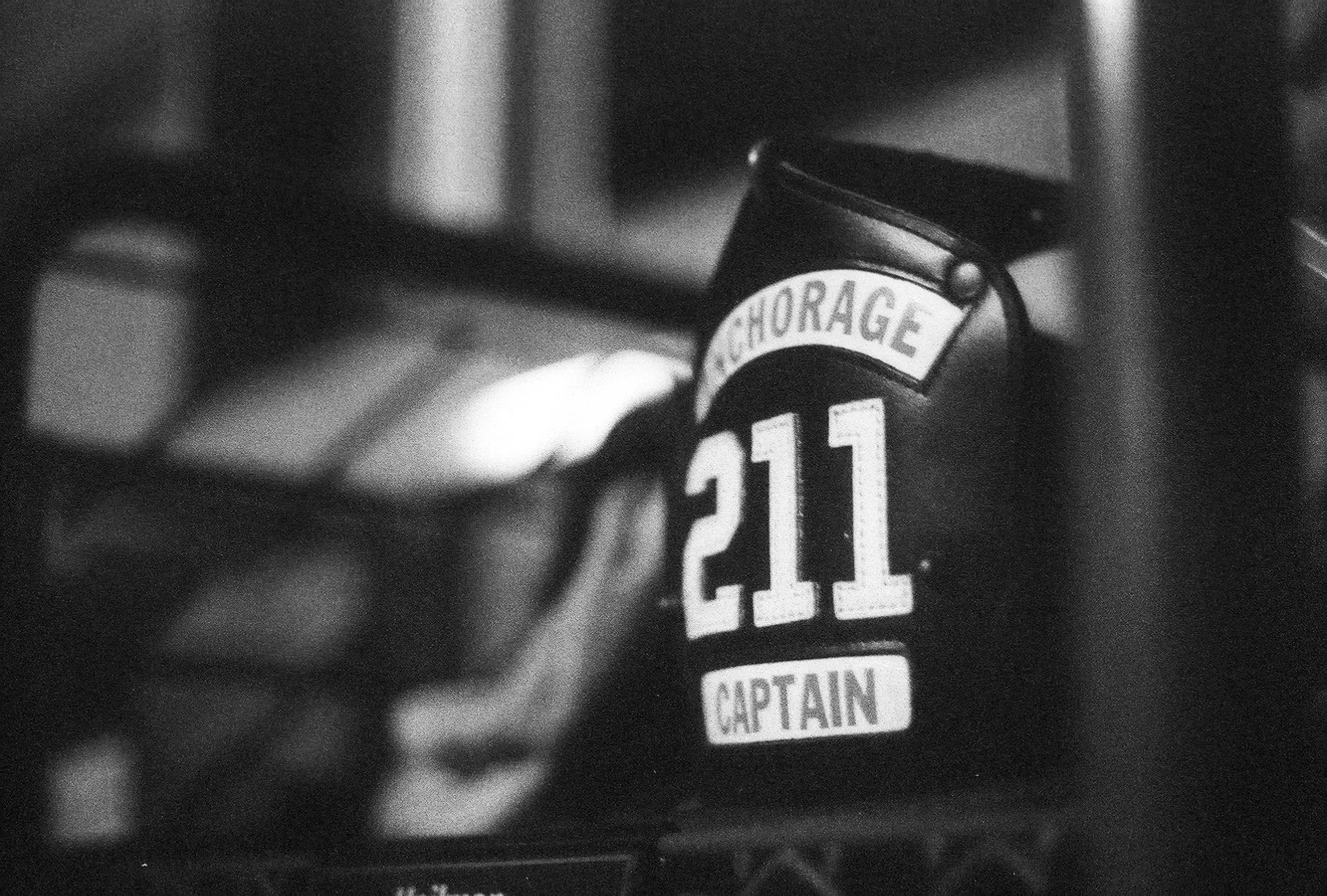
Emergency service workers—like firefighters, paramedics, law enforcement, and 911 dispatchers—often use dark humor as a way to cope with the intense situations they face on the job. While this humor can help them get through tough moments and move on to the next call, it's not a healthy long-term solution for processing trauma.

Why Some Emergency Calls Stay With You for Years
Why are some calls harder to forget? Our brains are wired to save events in an effort to protect us from future harm.
What’s the difference between moral injury and PTSD?
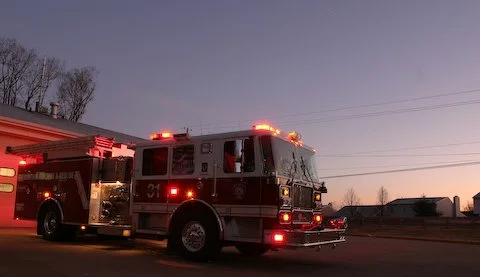
Understanding the difference between PTSD and moral injury is important for anyone working in high-stress jobs. While PTSD develops after experiencing traumatic events and often brings fear, flashbacks, and physical stress, moral injury comes from actions that clash with personal values, leading to guilt, self-doubt, and burnout. This newsletter explores how both conditions impact well-being and why recognizing moral injury could help address burnout in fields like healthcare and emergency services.
Why firefighters avoid therapy - and why it helps anyway.
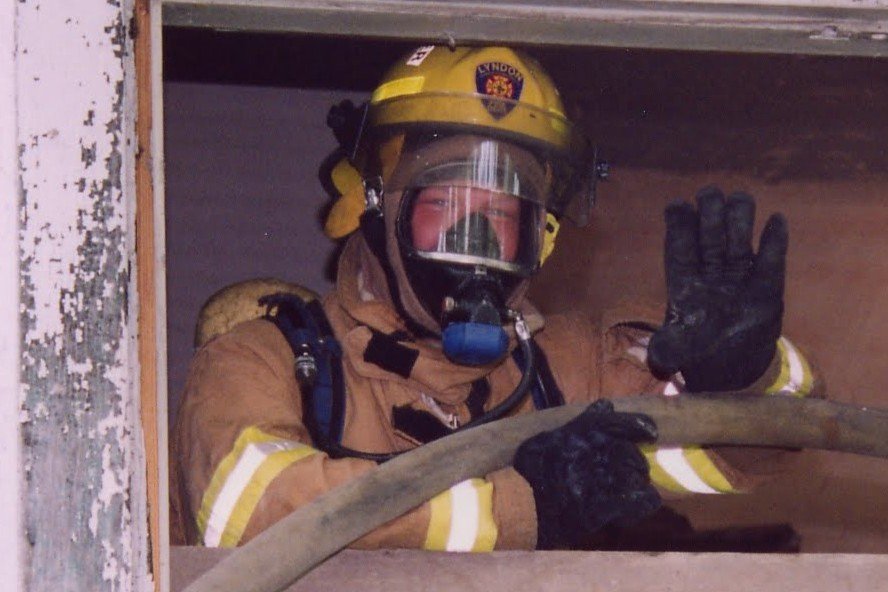
Many firefighters avoid therapy because the culture of emergency services emphasizes resilience and self-reliance. Some firefighters have also had negative experiences with therapists who did not understand the realities of emergency work. Finding a culturally competent therapist can make the process feel much more approachable
Barriers to Care: Cultural Barriers
An evidence-based look at how internal fire service culture and societal expectations create stigma that prevents first responders from seeking mental health treatment, including public stigma, personal stigma, and label avoidance.
Prevention vs reaction
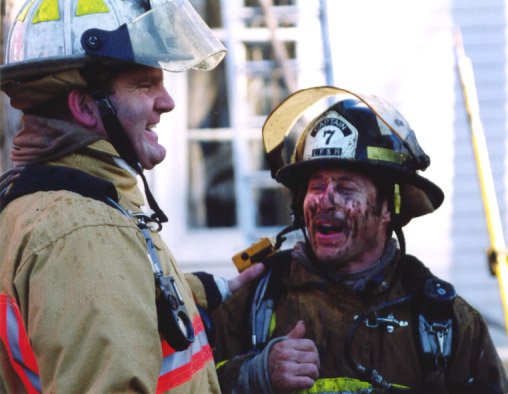
On February 20th, I participated in a firefighter cultural competency training for mental health clinicians, organized by Engineer Evelyn Arnold of the Mount Dora Fire Department and Division Chief Kimberle Rogers of Hillsborough County Fire Rescue. Fire service instructors from across Central Florida provided hands-on insight into the physical and psychological demands firefighters face each shift. Wearing turnout gear for the first time in over sixteen years was a humbling reminder of how physically taxing the job can be.
The training highlighted important shifts within the fire service. Peer support teams are proving invaluable, giving firefighters trusted colleagues to process difficult incidents with. For departments lacking resources, county-wide peer support models may be a practical solution. Encouragingly, the stigma surrounding mental health support is gradually decreasing, with more firefighters recognizing the importance of caring for their psychological well-being.
While reactive counseling after traumatic events is becoming more common, the focus is increasingly turning toward prevention. Some departments now require annual mental wellness check-ups, similar to physical assessments, to identify burnout early. However, building mental resilience is more complex than maintaining physical fitness.
Mindfulness practices offer accessible preventative tools. Techniques such as yoga, tai chi, and grounding exercises can strengthen mental flexibility. One simple method is the “5 Senses” exercise: take slow breaths and identify five things you see, four you hear, three you feel, two you smell, and one you taste. This practice helps anchor awareness in the present moment and reduce anxiety. Integrating such strategies may help build more resilient firefighters before stress becomes overwhelming.