

Resilient Responders
First responder therapy in Orlando specializing in trauma, PTSD, and moral injury
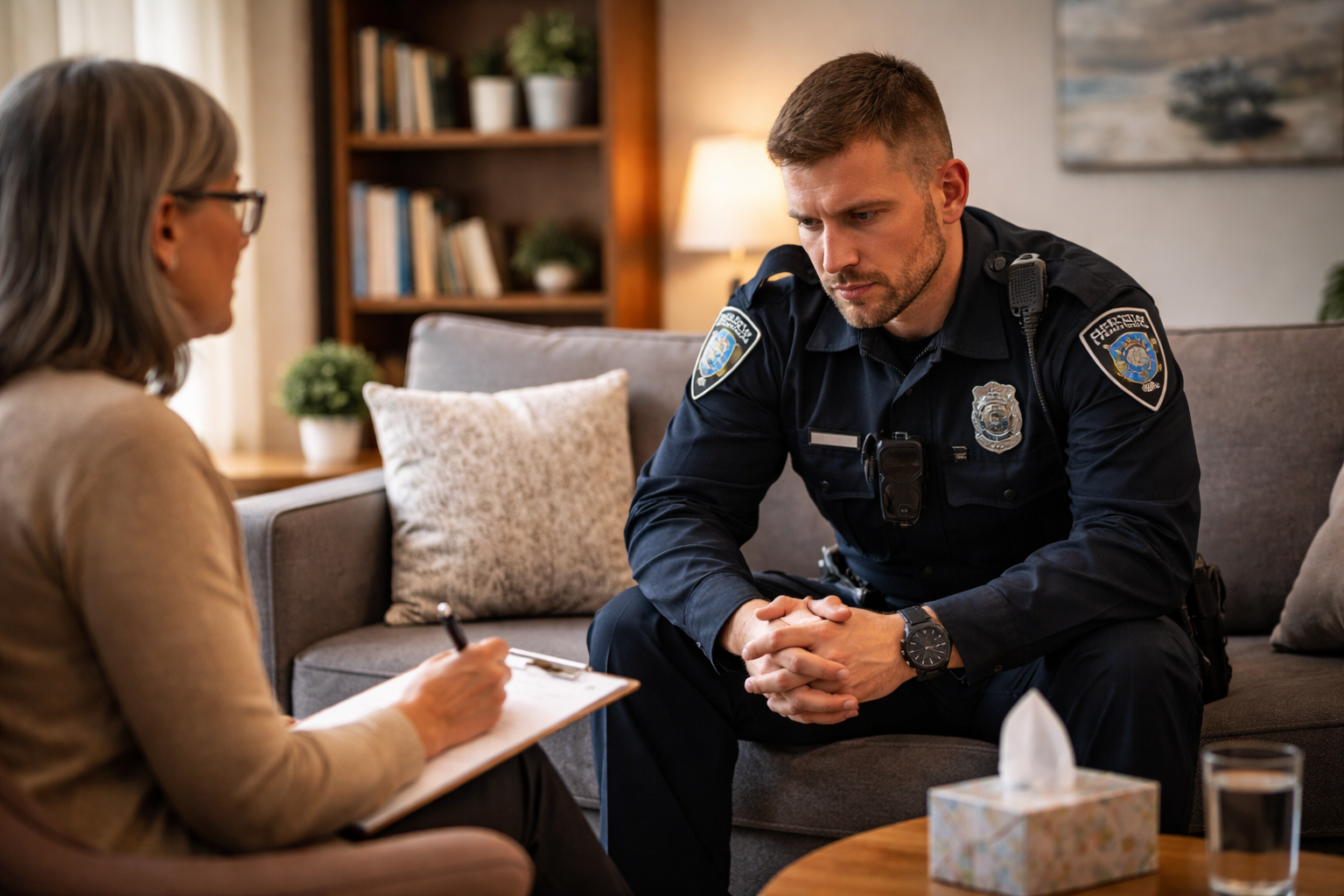
How do I know if I need therapy as a first responder?
First responders are trained to show up, do the job, and move on — but what happens when things start to feel off and don't resolve on their own? Calls replaying in your head, trouble sleeping, feeling numb or on edge, and losing the joy you once had for the job are all signs it may be time to talk to someone. Therapy isn't just for PTSD or major incidents — it also helps with the cumulative stress, moral injury, and burnout that builds up over years on the job. You don't have to be in full crisis to benefit. Noticing the early warning signs and reaching out is one of the best things you can do for yourself and the people you care about. You don't have to carry it alone.

The Cost of Always Being “On.” Part 1 - Sleep Deprivation
First responders are uniquely vulnerable to chronic sleep deprivation. Years of conditioning — waking abruptly to station alarms — train the body to stay perpetually alert, making deep, restorative sleep difficult to achieve both on and off the job. This hypervigilance, driven by the sympathetic nervous system's fight-or-flight response, doesn't simply switch off at retirement.

Why Some Emergency Calls Stay With You for Years
Why are some calls harder to forget? Our brains are wired to save events in an effort to protect us from future harm.