

What Therapy is Actually Like
For First Responders in Orlando
Real Support-without the guesswork
Seen one of the Mental Health Awareness posts?
You’re in the right place.
This page is part of Mental Health Awareness Month, focused on what therapy is actually like for first responders.
Video from Bubble Media
If you’ve ever thought about therapy but weren’t sure what it would actually be like…
you’re not alone.
Most firefighters, paramedics, and law enforcement officers I work with had the same questions before reaching out.
This page is here to answer that—clearly and honestly.
You Don’t Have to Be in Crisis
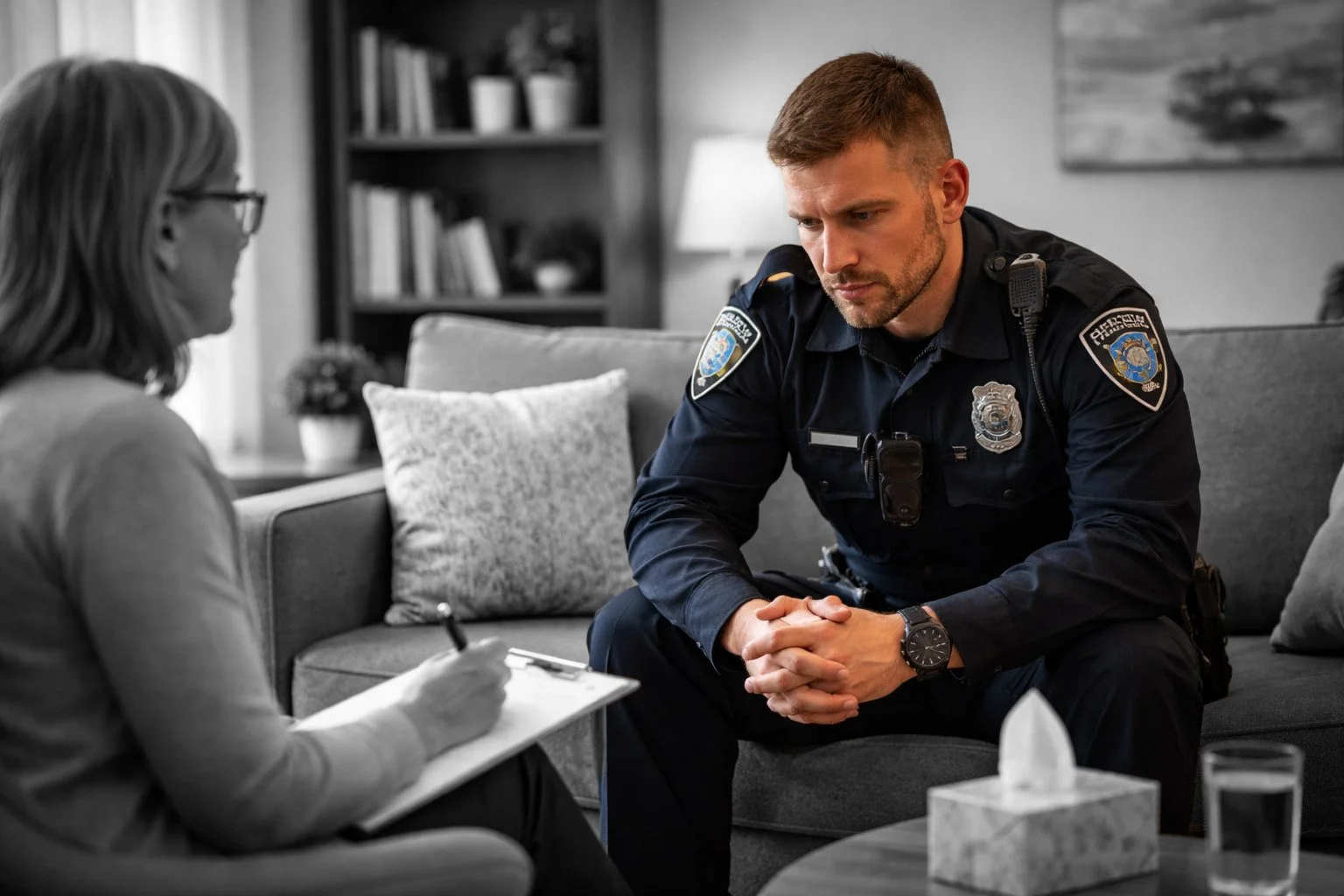
Most people wait too long.
Not because they don’t need support—
but because they tell themselves:
“It’s not that bad.”
“Other people have it worse.”
“I can handle it.”
That works… for a while.
But over time, things build:
Stress doesn’t fully reset
Certain calls start sticking
It gets harder to turn things off
You don’t have to wait until things fall apart.
Therapy can be a place to:
Process things before they build up
Stay ahead of burnout—not just catch up
Get support while you’re still functioning
Why A Lot of First Responders Avoid Therapy
It’s not because they don’t need it.
It’s usually because:
“Outsiders don’t get the job.”
Concerns about confidentiality
A culture of handling things yourself
Not wanting to look weak
Those concerns make sense.
In this line of work, being self-reliant isn’t just encouraged—it’s expected.
But that doesn’t mean you have to carry everything on your own.
🚨You don’t have to explain the job here.
What Usually Stops People From Reaching Out
Most first responders I work with have thought:
“I don’t want to sit around talking about feelings”
“Therapists don’t really understand this job”
“I should be able to handle this myself”
“It’s not bad enough to do something about it”
All of that makes sense.
But those same people often say later:
“I wish I had done this sooner.”

Affirming care is available for LGBTQIA+ first responders
This Isn’t Generic Therapy
This work is different.
It’s built around:
A firefighter-paramedic background
A deep understanding of first responder culture
Experience working with burnout, trauma, and moral injury
A straightforward, no-nonsense approach
🚨You don’t have to explain the job here.

Why That Matters
A lot of people avoid therapy because it feels like they’d have to:
explain everything
justify how they feel
talk to someone who doesn’t really get it
That’s not the case here.
If you’ve been searching for:
therapy for first responders in Orlando
firefighter or EMS burnout help
a therapist who understands emergency services
This is exactly the kind of work I do.
What the First Session is Actually Like
The first session isn’t about diving into everything all at once.
It’s a conversation.
We’ll talk about:
What’s been going on
What’s been weighing on you
What you want to be different
No pressure. No expectations.
No need to have it all figured out.
Just a place to start.
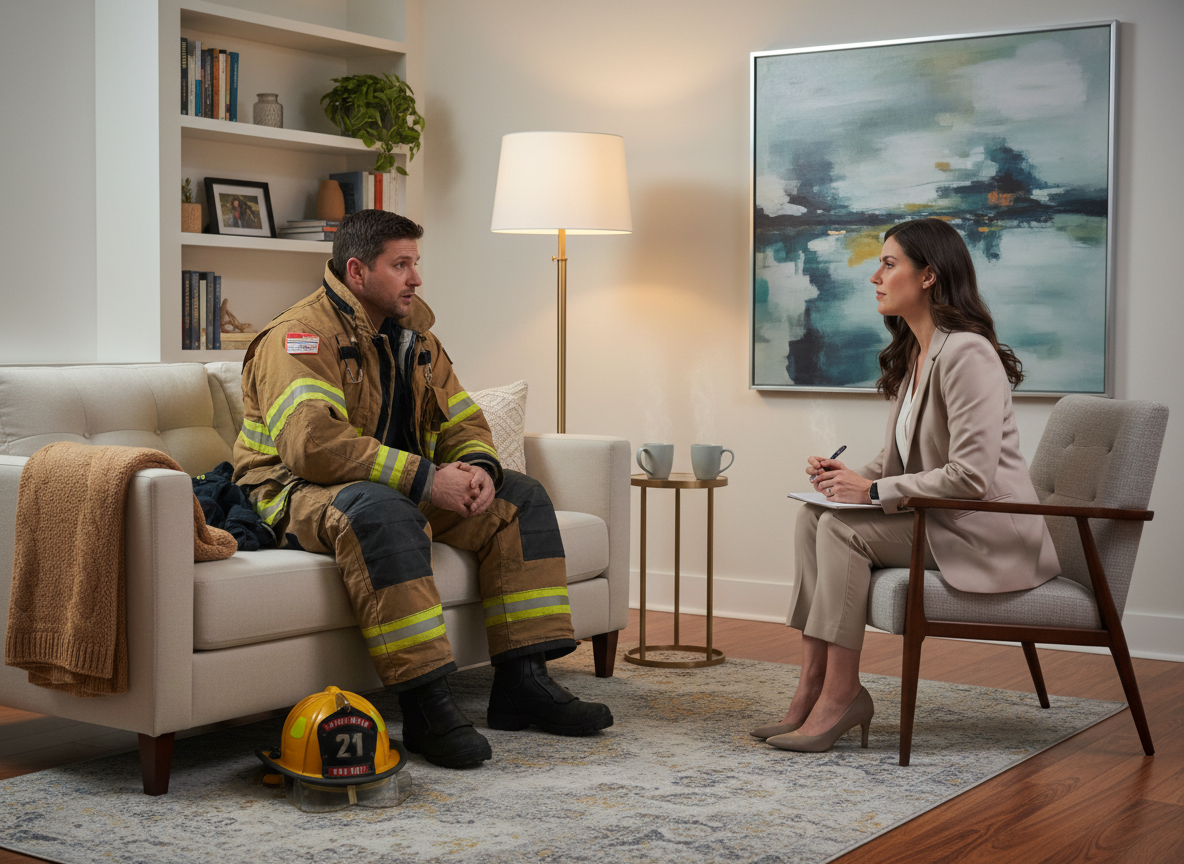
What Brings People In
Most of the first responders I work with are dealing with things like:
Burnout that doesn’t go away with time off
Calls that keep coming back or won’t sit right
Feeling more on edge, irritable, or shut down
Disconnection from people they care about
You don’t have to wait until it gets worse.
This Might Be Your Moment
Most people don’t wake up one day and decide,
“Today I’m starting therapy.”
It usually looks more like this:
You’ve been thinking about it for a while.
Something feels off—but not “bad enough.”
You keep putting it off.
And then something shifts.
Not a breaking point.
Just a realization:
💡 “I don’t want to keep doing this like this.”
That’s usually when people reach out.
If you’ve made it this far on this page…
there’s a good chance this applies to you.
Most people who reach out say the same thing:
“I wish I had done this sooner.”
Talk to Someone Who Gets It
You don’t have to keep doing this on your own.
Common Questions
Do I need PTSD to start therapy?
No. Many first responders come in for burnout, stress, or difficult calls without having PTSD.
Is therapy confidential from my department?
Yes. Sessions are private and not reported to your department.
What if I’m not sure therapy will help?
That’s completely normal. The first consultation is just a conversation—no pressure.
Do you work with firefighters, EMS, and law enforcement?
Yes. Therapy is tailored to each role within emergency services.